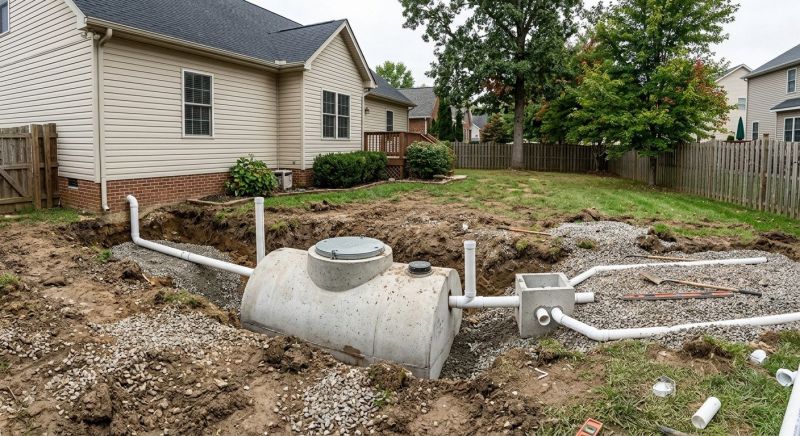
Septic Tank Replacement in Denver, CO
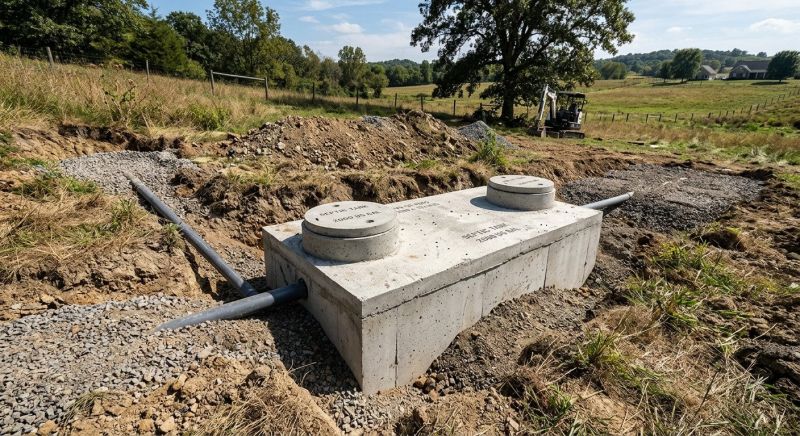
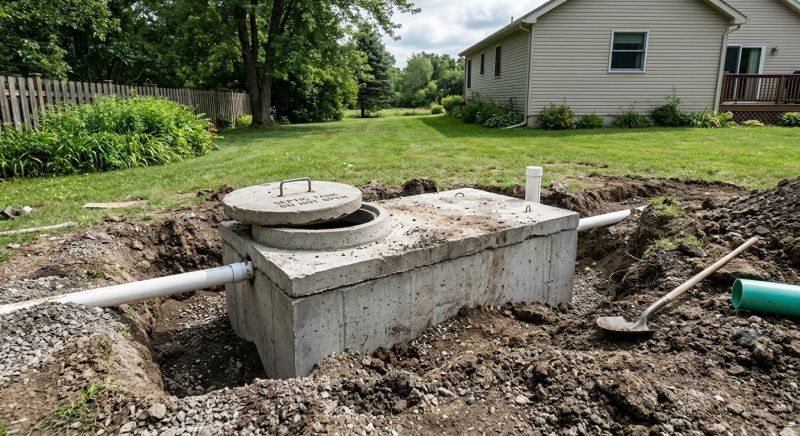
Septic tank replacement services involve removing an existing septic tank and installing a new system to ensure proper waste management for residential properties. This service is typically needed when a septic tank has reached the end of its lifespan, shows signs of failure, or no longer meets the household's capacity requirements. Projects may include replacing tanks of various sizes, upgrading to newer models, or addressing issues caused by damage, corrosion, or improper installation. Property owners often want to understand the scope of the replacement process, the types of tanks suitable for their property, and any necessary permits or regulations that must be followed.
Before requesting septic tank replacement, property owners should consider factors such as the size and type of the existing system, the condition of surrounding components like pipes and drain fields, and local codes governing installation and environmental safety. It is also helpful to assess the property’s soil conditions and space availability for the new tank. Understanding these elements can assist in planning a replacement that ensures long-term functionality and compliance with local standards. Proper evaluation and preparation can help avoid future issues and ensure the new septic system operates efficiently.
Many property owners in Denver, CO look into Septic Tank Replacement for repairs, replacements, upgrades, and appearance-related improvements.
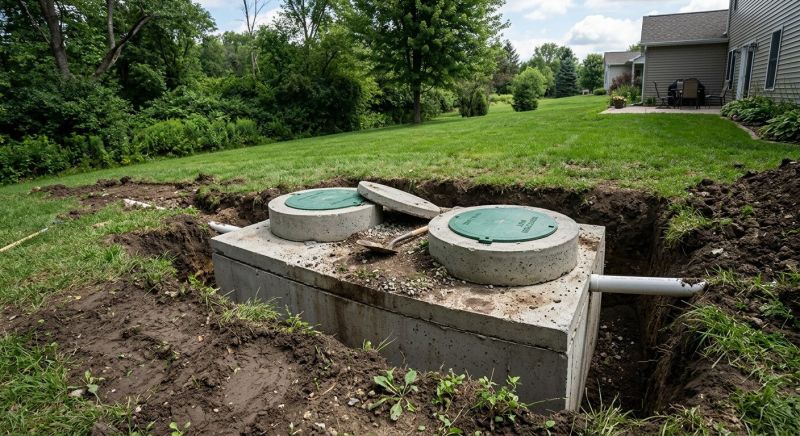
Signs You Need A Replacement
Property owners should watch for persistent odors, slow drains, or sewage backups indicating a failing septic tank.
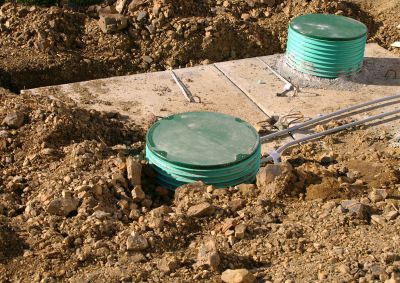
Benefits Of Replacing Your Septic Tank
Upgrading your septic system can improve drainage, prevent costly repairs, and ensure compliance with local regulations.
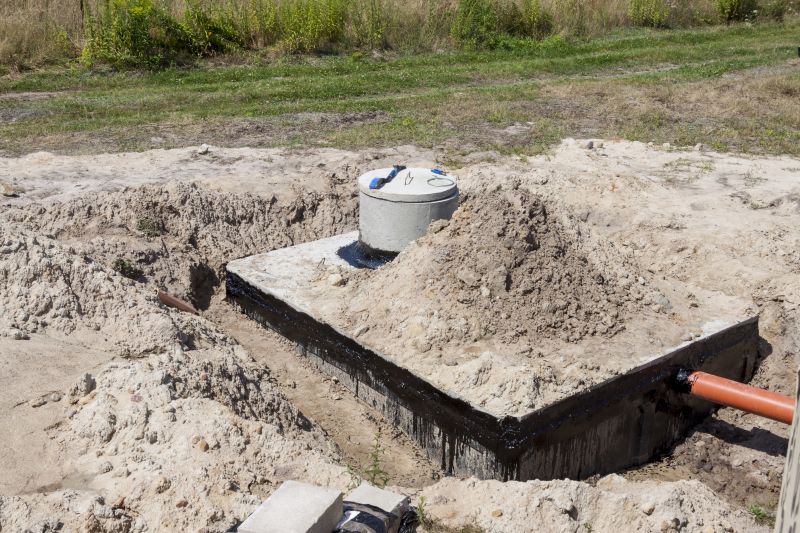
Choosing The Right Septic System
Selecting a new septic tank involves considering property size, usage needs, and the soil conditions in denver, co.
Septic Tank Replacement in Denver, CO

Septic tank replacement services involve removing an existing septic tank and installing a new system to ensure proper waste management for residential properties. This service is typically needed when a septic tank has reached the end of its lifespan, shows signs of failure, or no longer meets the household's capacity requirements. Projects may include replacing tanks of various sizes, upgrading to newer models, or addressing issues caused by damage, corrosion, or improper installation. Property owners often want to understand the scope of the replacement process, the types of tanks suitable for their property, and any necessary permits or regulations that must be followed.
Before requesting septic tank replacement, property owners should consider factors such as the size and type of the existing system, the condition of surrounding components like pipes and drain fields, and local codes governing installation and environmental safety. It is also helpful to assess the property’s soil conditions and space availability for the new tank. Understanding these elements can assist in planning a replacement that ensures long-term functionality and compliance with local standards. Proper evaluation and preparation can help avoid future issues and ensure the new septic system operates efficiently.
Many property owners in Denver, CO look into Septic Tank Replacement for repairs, replacements, upgrades, and appearance-related improvements.
Common Septic Tank Replacement Jobs
Septic Tank Replacement - involves removing an old tank and installing a new system to ensure proper wastewater management.
Septic System Upgrade - replaces outdated tanks with modern, efficient models to improve system performance.
Tank Installation - includes setting up a new septic tank tailored to property size and usage needs.
Septic Tank Removal - safely removes damaged or failing tanks to prevent environmental hazards.
Tank Repair and Replacement - addresses issues with existing tanks by replacing them with durable, long-lasting solutions.
Septic System Modernization - updates aging systems to meet current standards and improve functionality.

Septic Tank Replacement Questions
What are signs that a septic tank needs replacement? Signs include persistent odors, slow drainage, and sewage backups in plumbing fixtures.
How long does a septic tank replacement typically take? The process usually involves several steps and can take multiple days to complete.
What factors influence the choice of a new septic tank? Property size, usage needs, and soil conditions are key considerations for selecting a new tank.
Is septic tank replacement disruptive to property landscaping? Some disturbance to landscaping may occur, but proper planning can minimize impact.
Request Septic Tank Replacement in Denver, CO
Use the quote form on this page to share the basics of your project and request more information for the type of work you need.